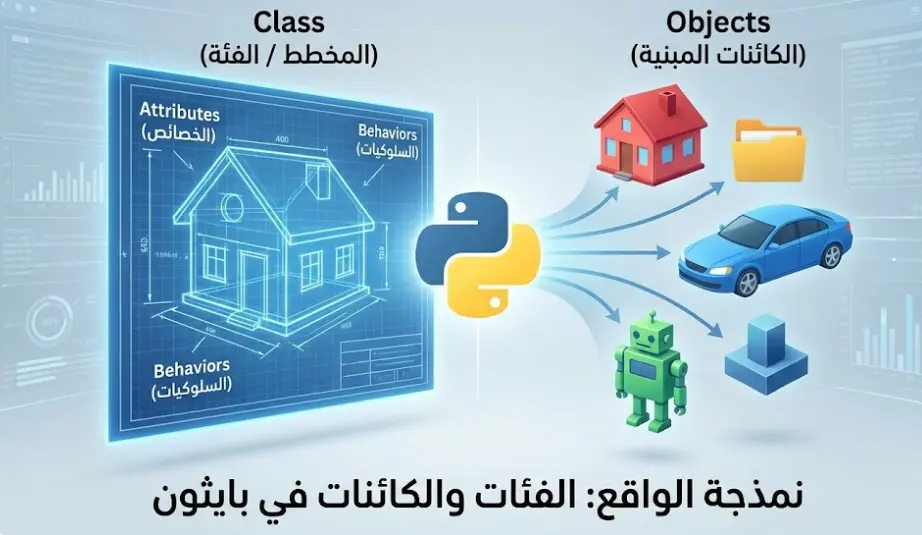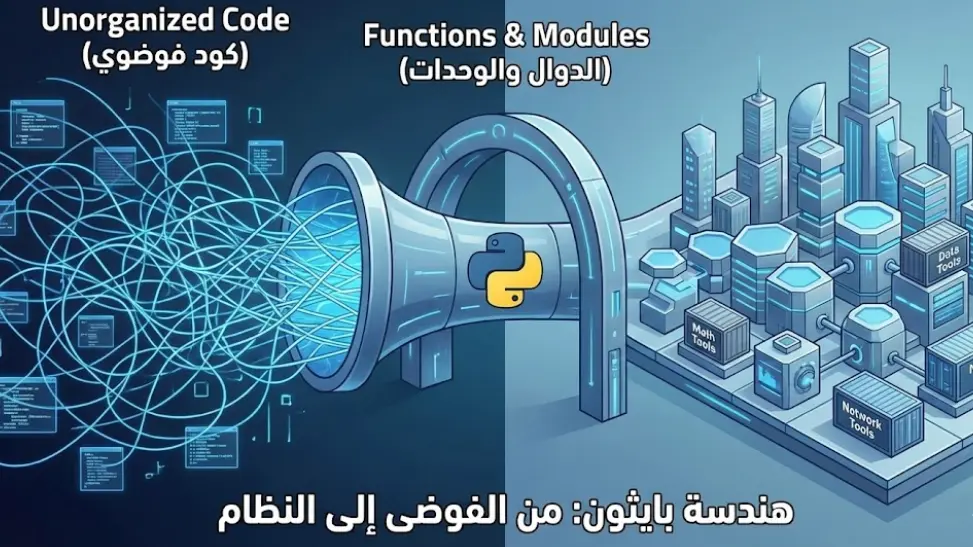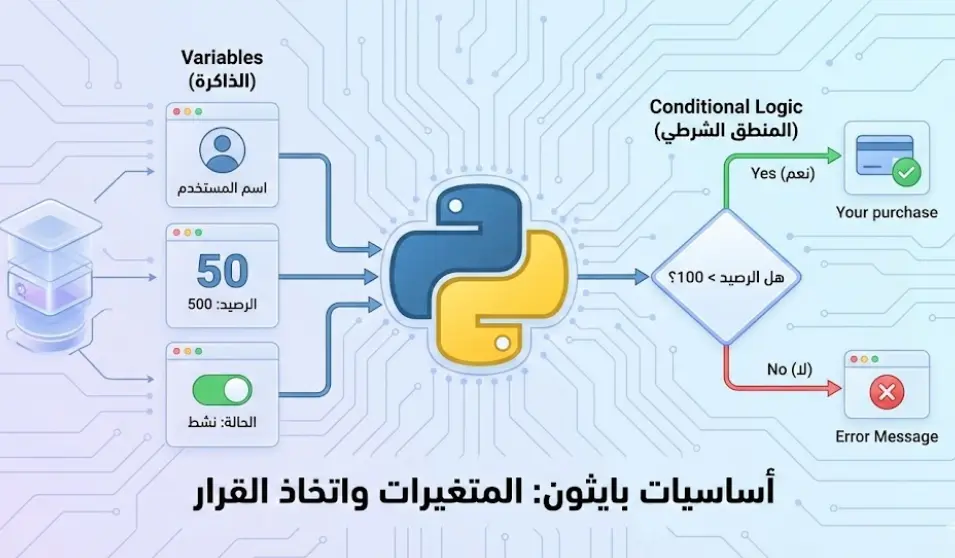
Welcome to the final stop of our foundational journey into the world of Python. We have come a long way together. We started with an Introduction to the Language, then understood how programs remember and decide, moved to engineering and organizing code, and in the previous article, we learned how to model the real world using Objects.
Now, you possess a complete toolbox. You have the bricks (Variables), the cement (Conditional Logic), specialized equipment (Functions), and architectural blueprints (Classes). The big question now is: What can we build with this toolbox in the real world?
Turn your toolbox into a construction site.
Theory is just the beginning. Bridge the gap between conceptual knowledge and building real-world applications by joining our Intensive Python Live Workshop. It's time to get your hands dirty with code under expert guidance.
In this final article, we will step back from the minute details to take a panoramic view of the technological landscape. We will see how those abstract concepts we learned transform into search engines, social media platforms, smart recommendation systems, and automation robots. This transition from theory to application is the core of what we do at MegoVerse to drive digital transformation.
The Grand Secret: Standing on the Shoulders of Giants (Libraries & Frameworks)
Before diving into specific fields, we must understand the secret that makes Python a superpower. In practice, Python programmers rarely build everything from scratch.
Remember the concept of "Modules" we discussed? Imagine there are millions of these ready-made modules, written and tested by the world's best minds, available to you for free. These are called "Libraries" and "Frameworks."
Instead of writing thousands of lines to teach a computer how to "see" an image, you can use a ready-made library that does it in one line. Instead of building a website's foundation from ground zero, you use a "framework" that provides the basic structure ready-made. Python is the magical "glue" that connects these powerful components together.
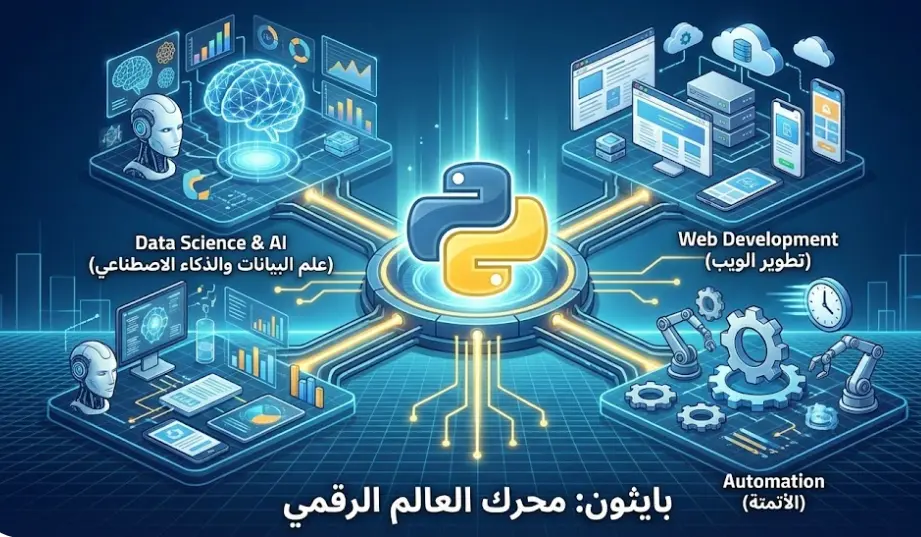
Field 1: The Brain of the Digital World (Data Science & AI)
We live in the age of data. Every click, every purchase, every GPS signal is information. But raw data is worthless if we can't understand it. This is where Python sits on the throne undisputed.
How does this happen conceptually?
- Data Analysis: Imagine a Python library (like Pandas) as a super-powered Excel spreadsheet, capable of ingesting millions of rows, cleaning their mess, and extracting precise statistics in seconds.
- Machine Learning (ML): Here we use our previous concepts. We create software "Objects," feed them massive amounts of data (using variables and functions), until these objects learn to predict the future. Like training a digital object to distinguish between cat and dog photos, or to predict stock prices. Libraries like TensorFlow and PyTorch are the ready-made brains we use for this purpose.
Field 2: The Face of the Digital World (Web Development)
The websites and apps we use daily (like Instagram or Netflix) need a powerful, fast, and secure "Backend" to manage data and users. Python is a preferred choice for building these backends.
How does this happen conceptually?
Using frameworks like Django or Flask, you don't start with a blank page. You get a ready-made "building structure," pre-equipped with security systems, database management, and user request handling. Your role is to use your own functions and objects to design the "interior decor" and unique functionalities of your site. This ensures building stable and fast websites, a key pillar we discuss in the importance of web platform stability in Web Platform Stability Updates.
Field 3: The Digital Assistant (Automation & Scripting)
Do you have boring, repetitive tasks on your computer? Like moving specific files every day, sending standard emails, or extracting data from websites?
Python is the ideal tool for writing "Scripts"; small programs that use the functions and conditions we learned to perform these tasks for you automatically and tirelessly. It's like hiring a small digital robot to handle routine work.
Series Conclusion: The Journey Has Just Begun
We have reached the end of our foundational series. Our goal was not just to teach you how to write code, but to change your way of thinking to be able to see the world through the eyes of a programmer. You have moved from understanding the alphabet to being able to read sentences, and today you took a look at the massive libraries where you can write your own stories.
The next step is not reading more theory, but choosing a path and starting to build. Are you attracted to data analysis? Building websites? Creating Artificial Intelligence? Choose your path, and start using the tools you've learned.
Remember that building integrated and successful systems requires a comprehensive vision, starting from the backend code to unifying the user experience across platforms, which we explore in Unified UX Architecture.
We at MegoTech are proud to have accompanied you on this journey. We invite you to explore our services and get to know our team that uses these technologies daily to build the future. Good luck with your next programming adventure!