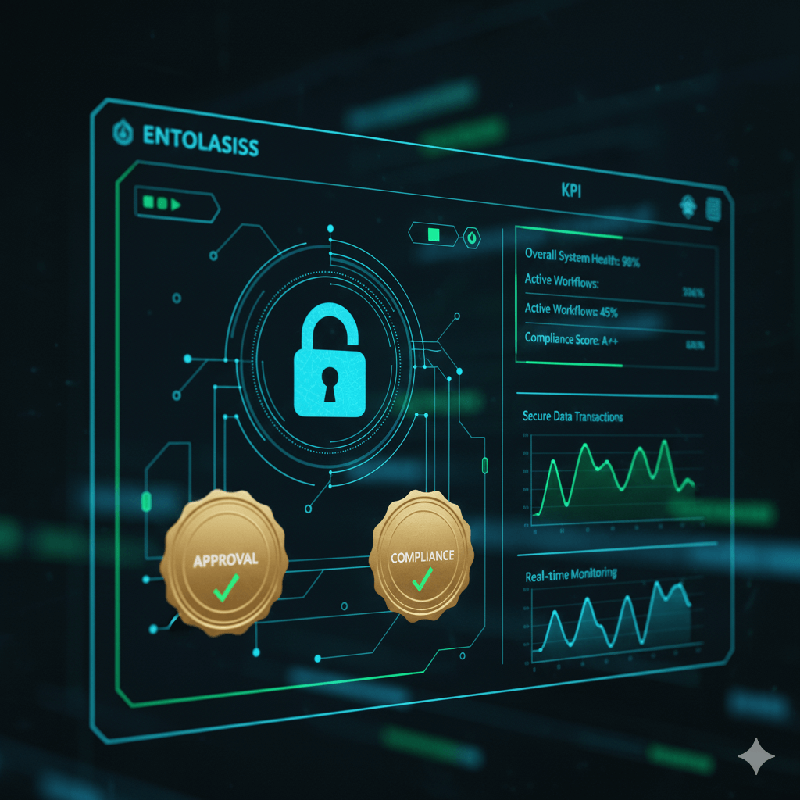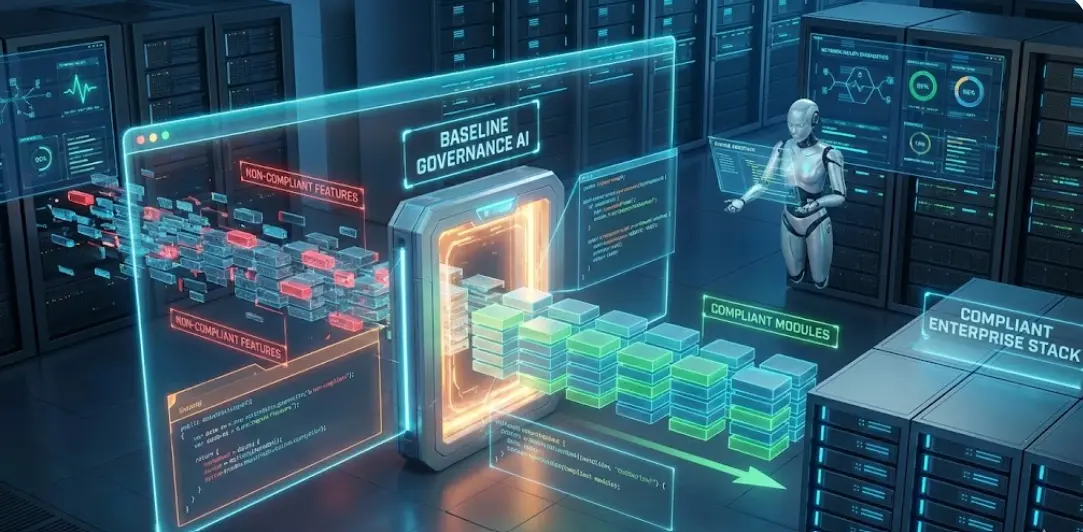
For enterprise CTOs, the "build vs. maintain" balance is a constant struggle. One of the most persistent sources of technical debt in web development is browser compatibility—ensuring that the cutting-edge features developers want to use are actually supported across the user base. The "Baseline" initiative has established a clear definition of feature readiness, but enforcing it has traditionally been a manual process. However, as highlighted by the recent winners of the Baseline Tooling Hackathon on web.dev, the industry is moving rapidly toward automated governance tools that embed these standards directly into the development lifecycle.
At Megotech, we recognize that true agility comes from automated guardrails. The emergence of tools that actively police web standards—both in the IDE and within AI workflows—represents a significant leap forward in reducing cross-browser regressions and accelerating deployment velocity.
Shifting Compliance Left: The 'eslint-plugin-baseline-js'
The winner of the recent hackathon, eslint-plugin-baseline-js, addresses a critical gap in the modern CI/CD pipeline. In a typical enterprise environment, browser compatibility issues are often caught late—sometimes during QA or, worse, by users on specific devices. This tool brings that validation to the earliest possible moment: the keystroke.
By analyzing JavaScript Abstract Syntax Trees (AST), this plugin identifies when a developer utilizes a feature or syntax that has not yet met "Baseline" status. For a technical leader, deploying this means you can mathematically enforce a policy that "only widely supported features enter our codebase," eliminating the ambiguity of "Can I use this?" discussions. This level of static analysis is exactly the type of rigor our technical experts at Megotech recommend when auditing legacy codebases or setting up new, scalable architectures.
AI-Driven Development with Context: The 'baseline-mcp' Server
Perhaps even more significant for the future of software engineering is the second-place innovation, baseline-mcp. As enterprises increasingly adopt AI coding assistants (like Cursor or Copilot), a new risk has emerged: AI models often suggest code that is either deprecated or too experimental for production environments. The Model Context Protocol (MCP) server solves this by acting as a bridge between the AI agent and the live Baseline dataset.
This tool allows an AI assistant to "know" the compatibility status of web features in real-time. Instead of generating code that breaks on Safari or Firefox, the AI is grounded in the reality of current browser support. This aligns perfectly with the strategies we discuss in our analysis of Accelerating Enterprise Web Development, where stability is paramount. Enabling AI agents to draft code that is inherently compliant reduces the review burden on senior engineers and ensures that the speed gained by AI doesn't result in fragility.
The Strategic Value of Standardized Tooling
The success of these tools signals a maturation of the web platform. We are moving away from manual lookups on documentation sites toward an ecosystem where compliance data is programmable and actionable. For CTOs, this evolution offers three distinct advantages:
- Reduced Technical Debt: By preventing non-Baseline features from entering the codebase, you avoid the need for complex polyfills or future refactoring when features are deprecated.
- Unified Developer Experience: Tools like these provide a consistent "truth" across distributed teams, regardless of individual developer preferences for specific browsers.
- Safe AI Adoption: integrating compliance data into AI workflows makes generative coding safer for enterprise production environments.
For more on how platform evolution impacts high-performance applications, we recommend reading our insights on WebGPU and High-Performance Computing, which discusses the bleeding edge of browser capabilities.
Conclusion
The tools emerging from the Baseline ecosystem are not just utilities; they are instruments of governance. By adopting linting plugins that understand web standards and AI servers that respect browser limits, enterprises can build software that is robust by default.
Is your development pipeline optimized for the era of AI and automated compliance? Contact Megotech today to discuss how we can modernize your development workflows and ensure your digital products are built on a solid, future-proof foundation.